Discover Niagara's Important Role In The Underground Railway
When the British Empire abolished slavery in 1833, crossing the Niagara River from the U.S. into Canada quickly became a path to freedom for formerly enslaved people desperate to find a new life. Those tales of strength, bravery, and perseverance are celebrated across Niagara at a variety of historic sites eager to share these important stories.
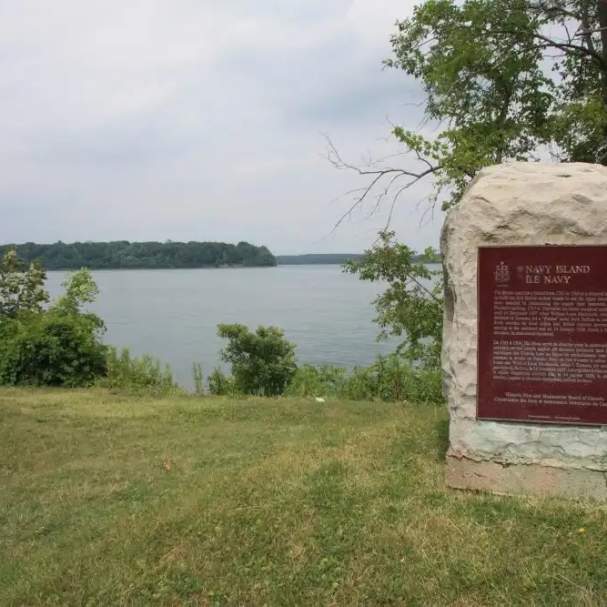
The Niagara River Parkway, which runs from Fort Erie to Niagara-on-the-Lake, is dotted with plaques that tell important stories of the Underground Railroad, including the spot where Harriet Tubman crossed into Canada in 1856, landing points where freedom seekers arrived, and more.
St. Catharines Museum's permanent exhibit, Last Stop: In Their Own Words, challenges the traditional narratives of the local settlement of refugee Freedom Seekers in the 1850s.
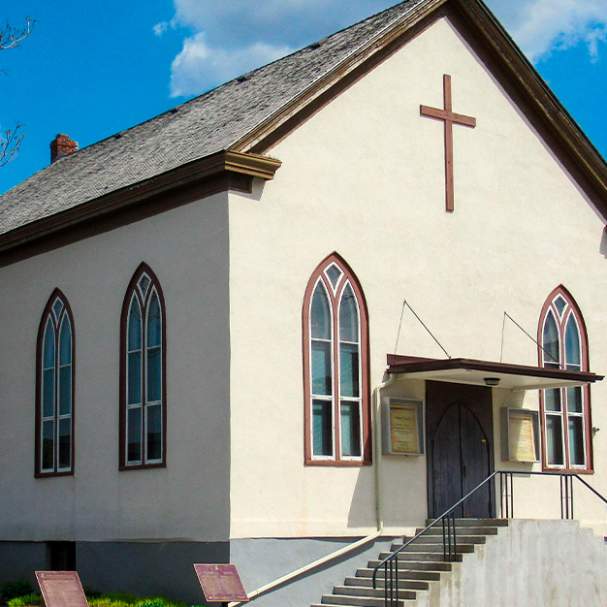
As a Methodist meeting house, the Salem Chapel BME Church in St. Catharines hosted anti-slavery lectures and civic protests, and provided shelter and aid to newly arrived freedom seekers until the end of the Civil War. The most celebrated member of the Salem Chapel was the legendary Underground Railroad conductor, Harriet Tubman, who moved to Canada after the 1850 Fugitive Slave Act was passed and resided in St. Catharines from late 1851 to early 1862.